
Inventory Rotation and Shelf-Life Management...!
Even unused spare parts degrade over time. Applying the First-In, First-Out (FIFO) principle ensures older stock is used before newer items. Shelf-life limits must be respected, especially for chemicals, rubber components, batteries, and electronic parts. Regular audits help identify aging stock and prevent failures caused by expired components.
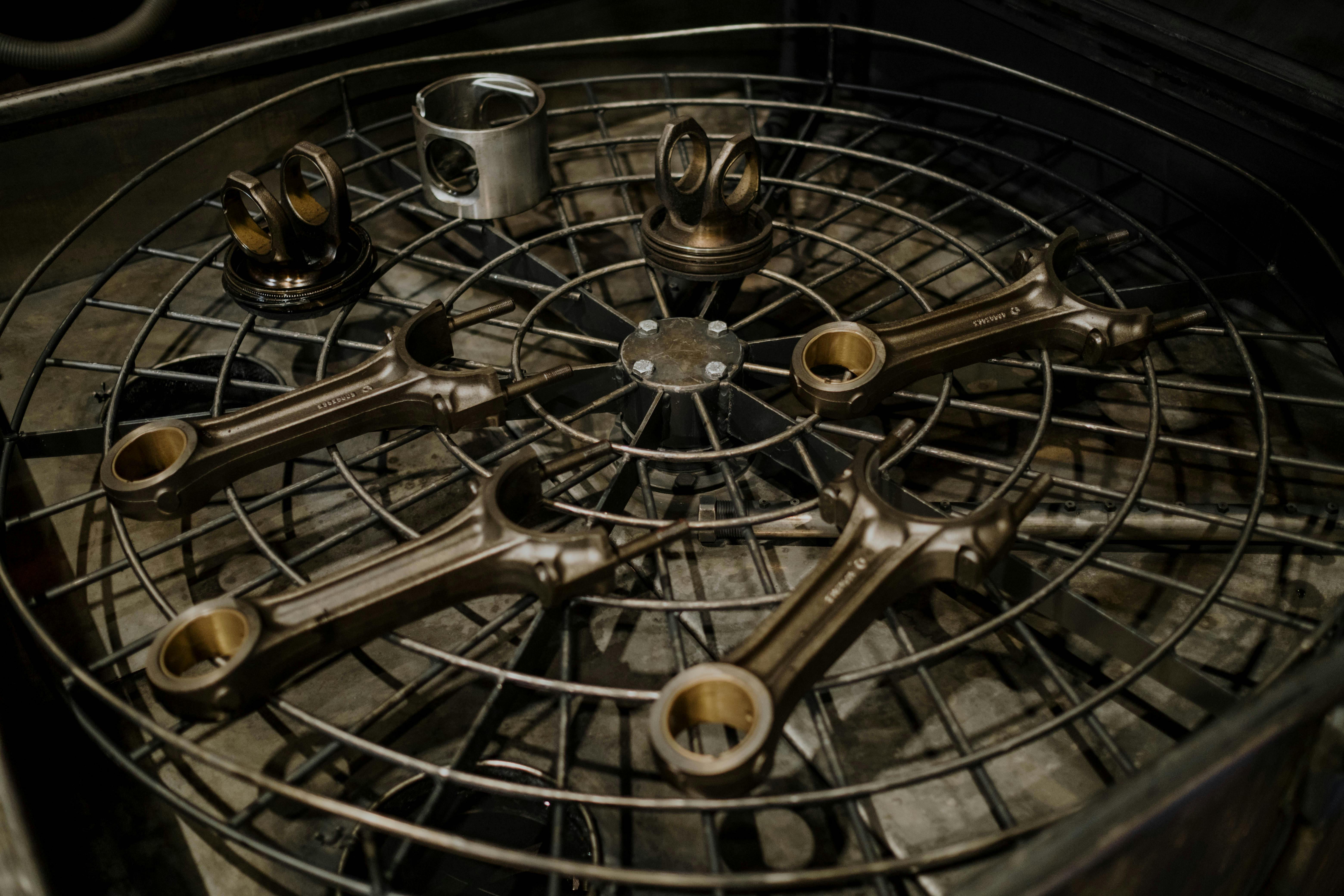
Running a vessel efficiently depends heavily on the condition of its spare parts. Proper storage and maintenance of marine spare parts are essential to avoid unexpected failures, costly downtime, and safety risks. While choosing a reliable marine spare parts supplier ensures quality components, how these parts are stored and maintained ultimately determines their lifespan and performance.
In this article, we outline practical and proven methods to store and maintain marine spare parts so they remain reliable and ready for use when needed.
Why Proper Storage of Marine Spare Parts Matters
Marine environments are harsh by nature. Exposure to saltwater, high humidity, and fluctuating temperatures can cause corrosion, rust, contamination, and material degradation. Improper storage may result in damaged components that fail during operation, leading to unplanned repairs and increased operational costs.
By implementing correct storage and maintenance practices, shipowners and maintenance teams can protect their investments, enhance operational reliability, and extend the service life of critical components.
Organize Spare Parts by Type and Usage
A well-organized storage system is the foundation of effective spare parts management.
- Categorize parts by type: mechanical, electrical, hydraulic, and structural
- Separate critical and frequently used components such as filters, belts, seals, and gaskets
- Clearly label each item with:
- Part name
- Part number
- Date of purchase or last inspection
Proper organization reduces confusion, speeds up maintenance work, and prevents incorrect installation.
Store Parts in a Controlled Environment
Environmental control plays a vital role in preserving marine spare parts.
- Store parts in dry, well-ventilated areas
- Avoid exposure to direct sunlight and extreme temperatures
- Keep components off the floor using racks or pallets to protect against moisture and dust
- Use dehumidifiers or silica gel packets to control humidity and reduce corrosion risk
Sensitive materials such as rubber, plastics, and electronics are especially vulnerable to poor storage conditions.
Clean and Inspect Parts Before Storage
Never store spare parts without proper cleaning and inspection. Remove grease, salt deposits, and dust using suitable cleaning agents. Apply rust inhibitors to metal components. Clean electrical parts with approved contact cleaners. Inspect for cracks, wear, corrosion, or defects. Any damaged or faulty parts should be repaired or replaced before storage to prevent future failures.
Use Protective Coatings and Proper Packaging
Protective treatments and packaging significantly extend spare part life. Apply anti-rust sprays or light lubricants to gears, shafts, and fasteners. Use moisture-resistant packaging such as vacuum-sealed bags, plastic wrapping, or corrosion-inhibitor papers. Ensure packaging protects against dust and moisture while allowing airflow when required.
Rotate Inventory Regularly
Even unused spare parts can degrade over time. Follow the First-In, First-Out (FIFO) inventory method. Conduct regular inspections every few months. Check for moisture buildup, corrosion, or aging. Maintain a spare parts maintenance log to track usage, inspections, and storage conditions.
Maintain Proper Handling Practices
Improper handling can damage even new spare parts. Wear gloves when handling seals, bearings, and electrical components. Avoid dropping or dragging heavy parts. Use proper lifting equipment such as hoists or trolleys. Prevent contamination from oils, dirt, or moisture during handling.
Document Storage and Maintenance Conditions
Accurate documentation supports effective spare parts management. Record storage dates, cleaning and inspection schedules, environmental conditions (humidity, temperature), and note incidents such as flooding or power failures affecting storage areas.
Address Common Marine Spare Parts Storage Issues
Common challenges include corrosion, fungal growth, rubber degradation, and contamination. Preventive measures include maintaining low humidity to reduce corrosion, storing rubber parts away from heat and sunlight, using anti-static containers for electrical components, and ensuring mechanical parts remain properly lubricated.
Conclusion
Proper storage and maintenance of marine spare parts go beyond basic housekeeping—they are critical to vessel reliability, safety, and cost efficiency. By implementing systematic organization, environmental control, regular inspections, and proper documentation, shipowners and maintenance teams can significantly extend the life of their spare parts.