Fire detection systems are a critical part of a ship’s...!
A fire onboard any vessel, regardless of size, poses a serious threat to life, property, and operations. For this reason, fire detection systems are a critical part of a ship’s overall firefighting and safety infrastructure. These systems are designed to detect signs of fire and alert the crew through audible and visual warnings...!
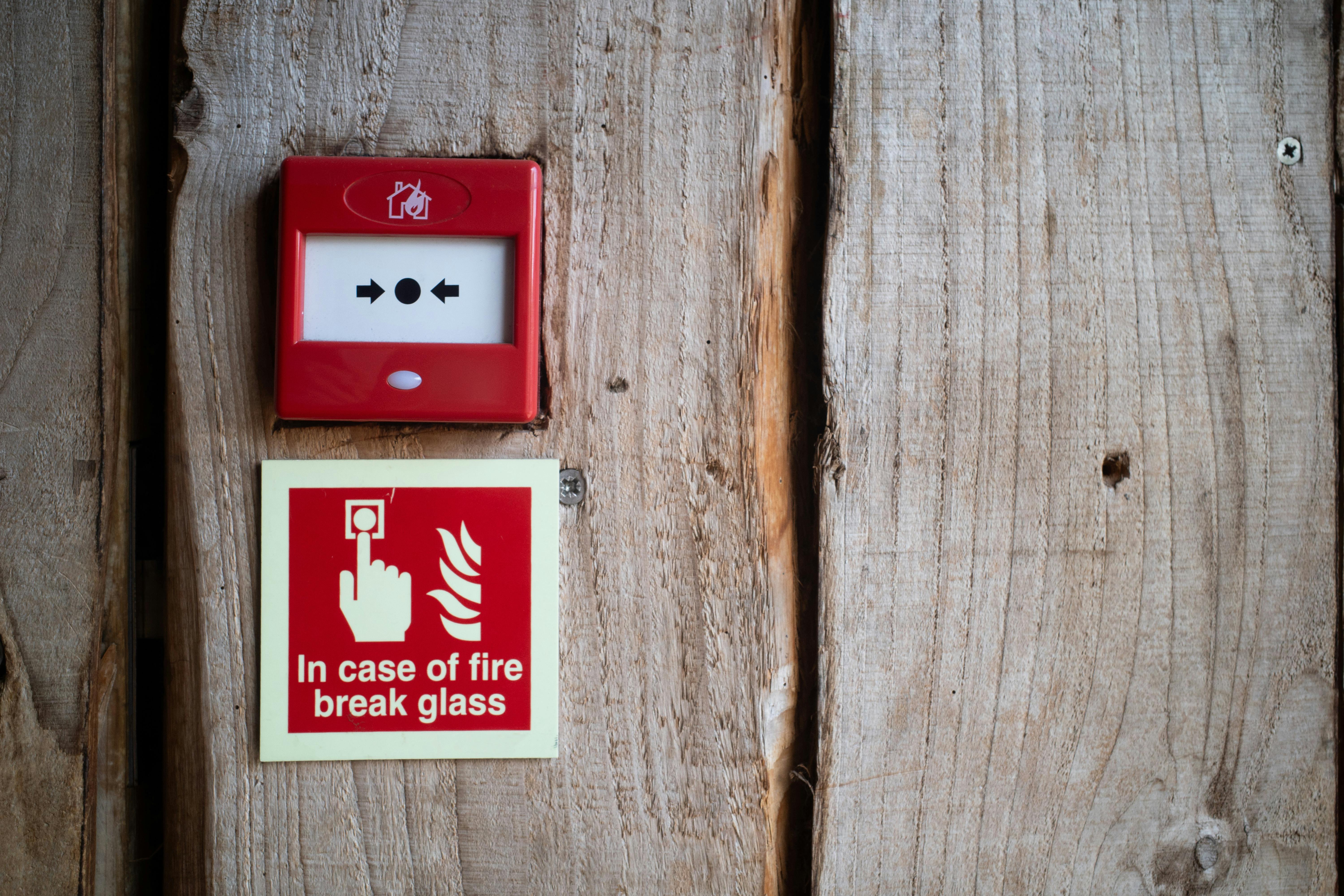
Types of Fire Detection Systems
Smoke Detectors
Ionization Smoke Detectors: Designed to detect small smoke particles generated by fast-flaming fires.
Photoelectric Smoke Detectors: Effective in identifying larger smoke particles from slow-burning or smoldering fires.
Heat Detectors
Fixed Temperature Detectors: Trigger alarms when surrounding temperatures exceed a preset threshold.
Rate-of-Rise Heat Detectors: Detect rapid increases in temperature that may indicate a developing fire.
Flame Detectors
These detectors use ultraviolet (UV) or infrared (IR) technology to identify open flames, especially in high-risk areas.
Gas Detectors
Gas detectors identify hazardous gas leaks that could potentially lead to fires or explosions, allowing preventive action to be taken promptly.
Importance of Marine Fire Alarm Control Systems
Marine fire alarm control systems, such as the Model Series 8000, are vital safety solutions that enable early fire detection and rapid response. They help protect lives and property while ensuring compliance with international maritime safety regulations. Their importance can be understood through the following aspects:
Early Fire Identification and Rapid Response
Early Detection: Marine fire alarm systems detect smoke or fire at an early stage, providing valuable time for the crew to respond effectively.
Crew Notification: Once a fire is detected, alarms immediately alert passengers and crew members throughout the vessel.
Quick Emergency Action: Early warnings allow emergency protocols to be activated and firefighting equipment to be deployed without delay.
Protection of Life and Property
Damage Control: Early intervention helps prevent fires from spreading and causing severe damage to the vessel, cargo, and onboard systems.
Crew Safety: Prompt fire suppression significantly reduces the risk of injuries or loss of life.
Asset Protection: Protecting critical machinery and cargo minimizes downtime and financial losses.
Regulatory Compliance
International Standards: Maritime safety is governed by international regulations, including IMO guidelines and SOLAS (Safety of Life at Sea) requirements.
Meeting Compliance: Marine fire alarm control systems are a mandatory component in ensuring vessels meet these global safety standards.
Key Components of Marine Fire Alarm Systems
Fire Detectors: Heat, smoke, and flame detectors strategically installed throughout the ship to identify fire hazards.
Fire Alarm Control Panel: The central unit that receives data from detectors, evaluates fire conditions, and activates alarms.
Alarm Devices: Audible and visual alarms that alert crew members to fire emergencies.
Fire Control and Safety Plans: Clearly defined plans that guide crew and passengers on fire response procedures and safety equipment locations.
Why Choose ShipAutomation
ShipAutomation specializes in sourcing, repairing, and supplying electrical and marine automation spare parts at competitive prices. Our marine fire detection systems are expertly designed to deliver reliable and efficient fire detection for vessels of all types.
With decades of industry experience, ShipAutomation has earned a reputation for quality, reliability, and technical expertise, making us a trusted partner for marine fire safety solutions.